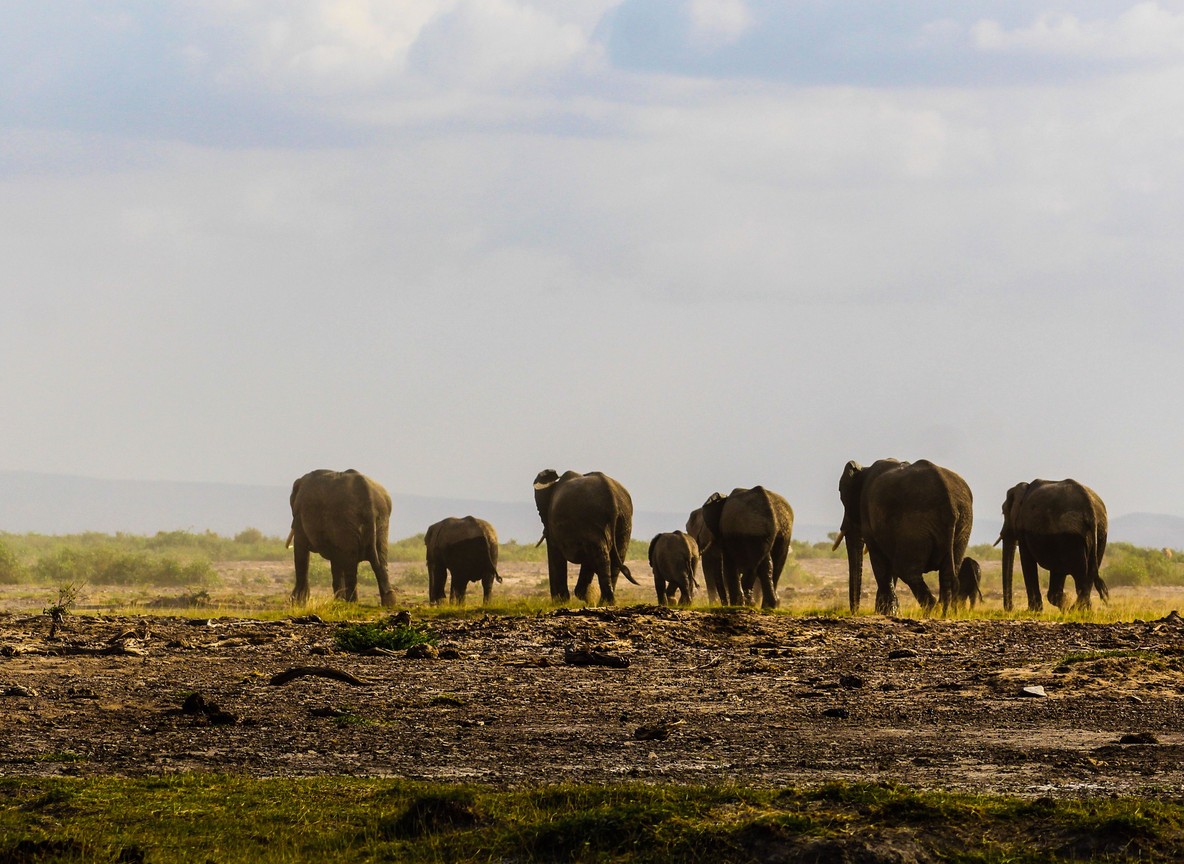
The elephant families moving across Amboseli‘s open plains with Kilimanjaro behind them — that image is what sells Amboseli to parents. And the wildlife delivers. But a family safari succeeds or fails on logistics as much as wildlife, and the accommodation choice is where logistics either click or start to come apart.
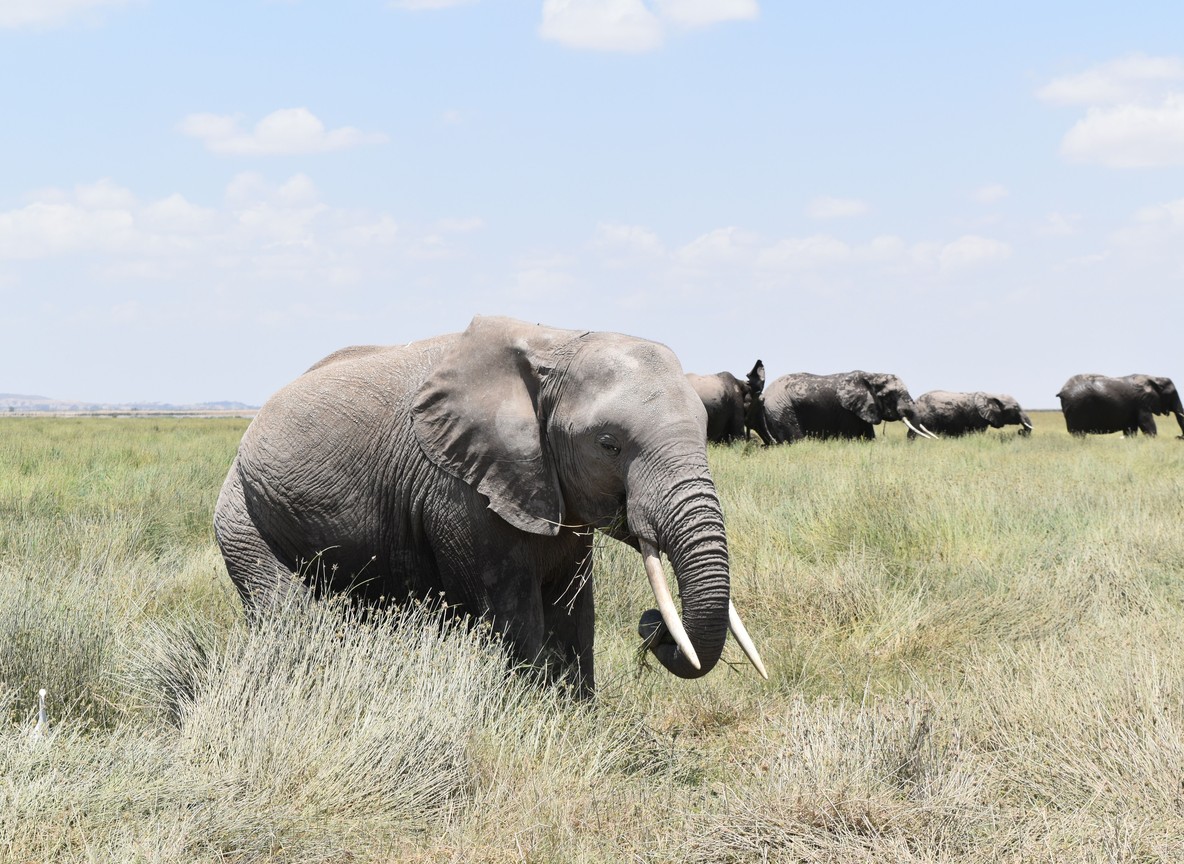
This guide works through the main family-friendly camps in Amboseli by what they actually offer families: room setup, activity pacing, ease of movement, and how the property handles the rhythms of traveling with children.
Why Camp Choice Matters More for Families
Adult safari travelers can adapt fairly easily to a camp that does not quite fit them. Children adapt less easily, and a 5am game drive after a bad night’s sleep in a tent that does not work for the group size changes the character of a trip quickly.
What separates genuinely family-friendly camps in Amboseli from those that simply tolerate children:
- A room or tent configuration that actually fits a family without pushing one person onto a cot in the wrong space
- Meal timing and content that works for children who may not share adult enthusiasm for four-course dinners at 8pm
- A pace of activity that does not require children to perform endurance
- Staff who know how to engage young visitors without condescending to them
That filtering down to actual properties follows.
The Main Family Camp Options
Amboseli Serena Safari Lodge
Serena is one of the clearest family answers in Amboseli. The lodge sits inside the park boundary, which removes one variable immediately: there is no gate transfer to manage every morning, and game viewing can start the moment you leave camp. The road network around Serena reaches the Enkongo Narok swamp area where elephant herds concentrate, often within minutes.
The family room configuration is specifically designed: one king room with a connecting twin room. This is meaningfully different from a standard room where a rollaway is pushed in as an afterthought. Parents and children have separation while remaining connected.
The balcony orientation over the grasslands means animals sometimes pass through the lodge grounds. Children who wake early and look out from a balcony before breakfast often see their first wildlife before the game drive even starts. That kind of low-pressure, unscheduled encounter can be more memorable than a formal drive.
Best for:
- First-time family safaris where simplicity matters
- Younger children who benefit from a structured, easy-movement lodge setup
- Parents who want the camp to feel self-contained and easy to navigate
- Shorter itineraries (2 nights) where efficient use of park access time is important
Ol Tukai Lodge
Ol Tukai is the most established lodge in Amboseli with a layout that manages families comfortably. The classic lodge format, with pool facilities and more recreational space than a tented camp, gives children somewhere to be between drives rather than being confined to a tent in the heat of the afternoon.
The view from Ol Tukai — when Kilimanjaro cooperates — is one of the reliable Amboseli images. From the pool or common areas, you can often watch elephant families crossing the plain while children splash. That combination of relaxed downtime with incidental wildlife watching is something tented camps rarely offer.
Room style at Ol Tukai is chalet format rather than tent, which some families find easier than canvas — better sound insulation, more familiar feel for children who have not camped before.
Best for:
- Families who want a lodge rather than a camp atmosphere
- Children who need structured downtime space between drives
- Parents who want the stay itself to feel familiar and easy
- Longer itineraries where the pool and recreational facilities reduce afternoon pressure
Kibo Safari Camp
Kibo sits outside the park boundary near Kimana Gate. The outside-park position means a gate entry cost and a short transfer each morning, which adds a small logistical step. What Kibo offers in return is a tented safari camp feel that connects children more directly with the environment than a lodge does.
The camp explicitly accommodates families in its room mix, with family tent options available. The scale of the operation — larger than a boutique camp but without the hotel-corridor feel of a lodge — keeps the atmosphere genuinely camp-like.
Children who are old enough to enjoy the sounds of a camp at night, the open-sided mess tent, and the relative rawness of a tented setup typically respond well to Kibo. Younger children who find unstructured outdoor spaces unsettling may do better at Serena or Ol Tukai.
Best for:
- Families who want a tented safari atmosphere rather than a lodge feel
- Children in the 8-14 age range who can appreciate the camp experience
- Value-conscious family planning where the outside-park position helps control costs
- Itineraries of 3 nights or more where the atmosphere of the stay becomes part of the experience
Tortilis Camp
Tortilis is primarily discussed in luxury and honeymoon contexts, but it is relevant to family planning because it has specific family accommodation: a family tent with a private pool shared with the family tent and private house option.
The camp’s position at the foot of Kilimanjaro and its atmosphere are exceptional. The wildlife access is strong. What Tortilis is not is operationally simple or budget-flexible. It works for families who want a premium safari experience and older children who can appreciate an atmospherically beautiful camp.
Best for:
- Families prioritising a high-quality, character-rich experience over ease
- Older children (12 and above) who respond to environment and atmosphere
- Parents who want the accommodation itself to be part of what they remember
AA Lodge Amboseli
AA Lodge sits near Kimana Gate and offers a family room in a value-positioned property. It is not the aspirational first answer for family safari planning, but it belongs in the conversation for budget-aware families who need a practical base for Amboseli without spending on premium properties.
The value proposition is clear: family room, functional operations, access to the park at a price point that leaves room in the budget for other legs of a Kenya circuit.
Best for:
- Value-focused family travel where accommodation budget needs to stay controlled
- Shorter Amboseli visits where the park experience is the priority
- Families combining Amboseli with Tsavo who need a practical rather than aspirational stay
How to Match Camp to Family
Children Under 7
Younger children do better in properties that minimize logistics and provide familiar structures. The inside-park position of Serena and Ol Tukai means no daily gate management. The lodge format at Ol Tukai provides spaces children can move around in during midday. Serena’s connecting room setup is ideal for parents who want proximity without sharing one room.
Children 8-14
This age group typically takes best to the camp atmosphere. Kibo and Tortilis both deliver that. Children old enough to appreciate being in an environment that feels genuinely wild, hearing sounds at night, watching a guide read the landscape — these are not experiences that require luxury, but they do require the camp to actually sit in that wild environment rather than simulate it.
Mixed Ages
If you are traveling with both young children and older teens, the lodge format with recreational facilities usually serves the group better. Serena or Ol Tukai can accommodate different age needs in a way that a tented camp with fewer facilities may struggle to do.
Explorer Notes
- Book interconnecting or family rooms well in advance. Serena has a limited number of family configurations and they fill ahead of standard rooms.
- The Amboseli dry seasons (January-February and June-October) produce the clearest Kilimanjaro views and the most concentrated wildlife around the swamps. If your family trip has timing flexibility, these windows are worth prioritizing.
- Children under 7 are generally better served by short, early morning drives (2 hours) rather than full-day drives. Most Amboseli camps can structure this if you ask at booking.
- The inside-park vs outside-park distinction matters for families more than for solo travelers. Daily gate transfers add time, and with children in the vehicle that time is felt more acutely.
Comparison: Family-Friendly Camps in Amboseli
| Camp | Best For | Family Strength | Main Consideration |
|---|---|---|---|
| Amboseli Serena | First-time families, young children | Connecting family room, inside-park position | Larger property, less intimate |
| Ol Tukai Lodge | Classic lodge families | Pool, space, familiar lodge structure | Less tented-camp atmosphere |
| Kibo Safari Camp | Camp-atmosphere families | Tented feel, family accommodation, flexible value | Outside-park gate transfer |
| Tortilis Camp | Premium family experience | Family tent with private pool, exceptional setting | Higher cost, not the simplest |
| AA Lodge | Budget-aware families | Family room, practical gate-side position | Less aspirational property |
Conclusion
No single camp is the right family answer for every Amboseli trip. The right property depends on the ages of the children, the pace the family needs, and how much the accommodation experience itself should contribute to the trip alongside the wildlife.
For ease of first family safari, Serena and Ol Tukai stand out. For tented atmosphere with children who can appreciate it, Kibo works well. For premium family travel, Tortilis delivers. For practical value travel, AA Lodge is a functional option.
Next Steps
- Confirm family room or interconnecting tent availability before locking in dates — these configurations have limited inventory.
- Decide between inside-park and outside-park position based on your family’s tolerance for short daily logistics.
- Read the Touringinsights.com Amboseli planning guide for full destination context, wildlife seasonality, and park entry logistics.
- For Kenya-based planning advice, trunktrailssafaris.com covers family safari itinerary design across Amboseli, the Maasai Mara, and multi-park circuits.
Have questions about this itinerary or destination? Get answers from a safari specialist before you commit.
Inquire More